7 Things to Expect When You Call Emergency Roadside Assistance (So Nothing Catches You Off Guard)

Your car stops. The hazard lights go on. You pull to the shoulder and sit there, unsure what to do next. It's a situation that catches most people off guard, because nobody thinks through the details until they're in one.
Calling for help is the right move, but what happens after that call is what most people don't know. If you're in North Georgia and making “towing company near me” searches on your phone, understanding the process before you need it (or right now, when you're in it) makes the whole experience less stressful. Here's exactly what to expect, start to finish.
TL;DR — 7 Things to Expect When You Call Emergency Roadside Assistance (So Nothing Catches You Off Guard)
- You'll speak with a real dispatcher who needs your location, vehicle type, and situation
- A truck gets assigned, and you receive an honest ETA based on actual conditions
- Your vehicle gets assessed on-site before anything moves
- Flatbed vs. wheel-lift is determined by your vehicle type. AWD, lowered cars, and EVs often have specific requirements
- Not every vehicle gets towed the same way. If you drive something with special towing requirements, say so on the first call
- You have say in where your vehicle goes
- Pricing gets confirmed before the truck moves your car. Not after.
- Good communication doesn't stop after the first call
If you're dealing with a breakdown right now, get a quote from Potts Towing, and a dispatcher will have someone on the way as soon as possible.
Get a quote from Potts Towing1. The First Call — What the Dispatcher Needs From You
The first 90 seconds of your call matter more than most people realize.
A good dispatcher isn't just taking down your name. They're building a picture of your situation so the right truck gets sent with the right equipment.
You'll be asked for your location (cross streets, mile markers, or a landmark if you're unsure of the exact address), your vehicle's make, model, and year, and a quick description of what happened. "Won't start" tells a different story than "just had an accident" or "stuck in a ditch."
The more specific you can be, the faster the dispatch. The AAA breakdown guide has a solid rundown of the information worth having ready before you call.
If you don't know where you are, that's okay. GPS on your phone can give you coordinates, and most dispatchers are experienced at helping you figure it out. The call won't end until the dispatcher has what they need.
2. How Long It Actually Takes for Help to Arrive
Arrival time is the question everyone asks, and the honest answer is: it depends. Distance is the obvious factor, but traffic, time of day, and how many trucks are already out on calls all play a role. A dispatcher who gives you a hard guarantee without knowing these things is giving you a number that may not hold up.
What a good dispatcher gives you is a realistic estimate, and updates you if something changes. That's the standard worth expecting.
What Affects Arrival Time in North Georgia
How to Stay Safe on the Roadside While You Wait
Get as far off the travel lane as you can. Turn on your hazard lights and leave them on. If it's dark, use road flares or reflective triangles if you have them. Stay in your vehicle if you're on a high-speed road; it's safer than standing outside, even if it doesn't feel that way.
3. What Happens When the Truck Pulls Up
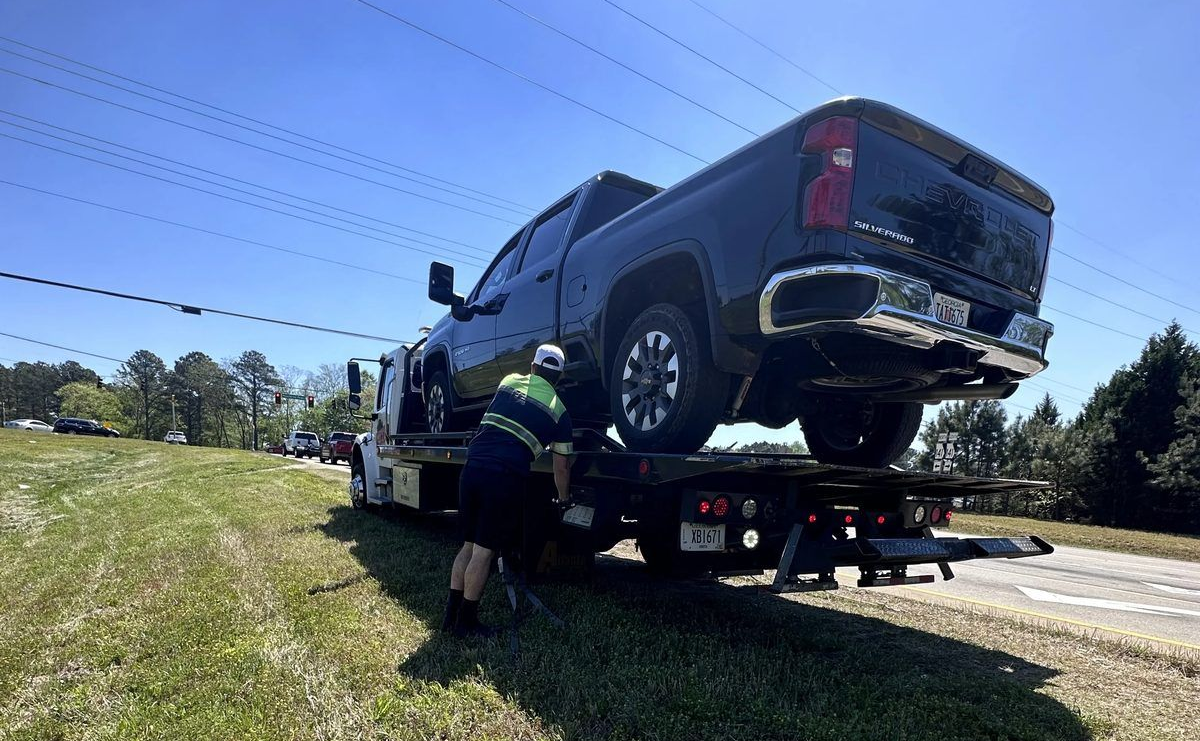
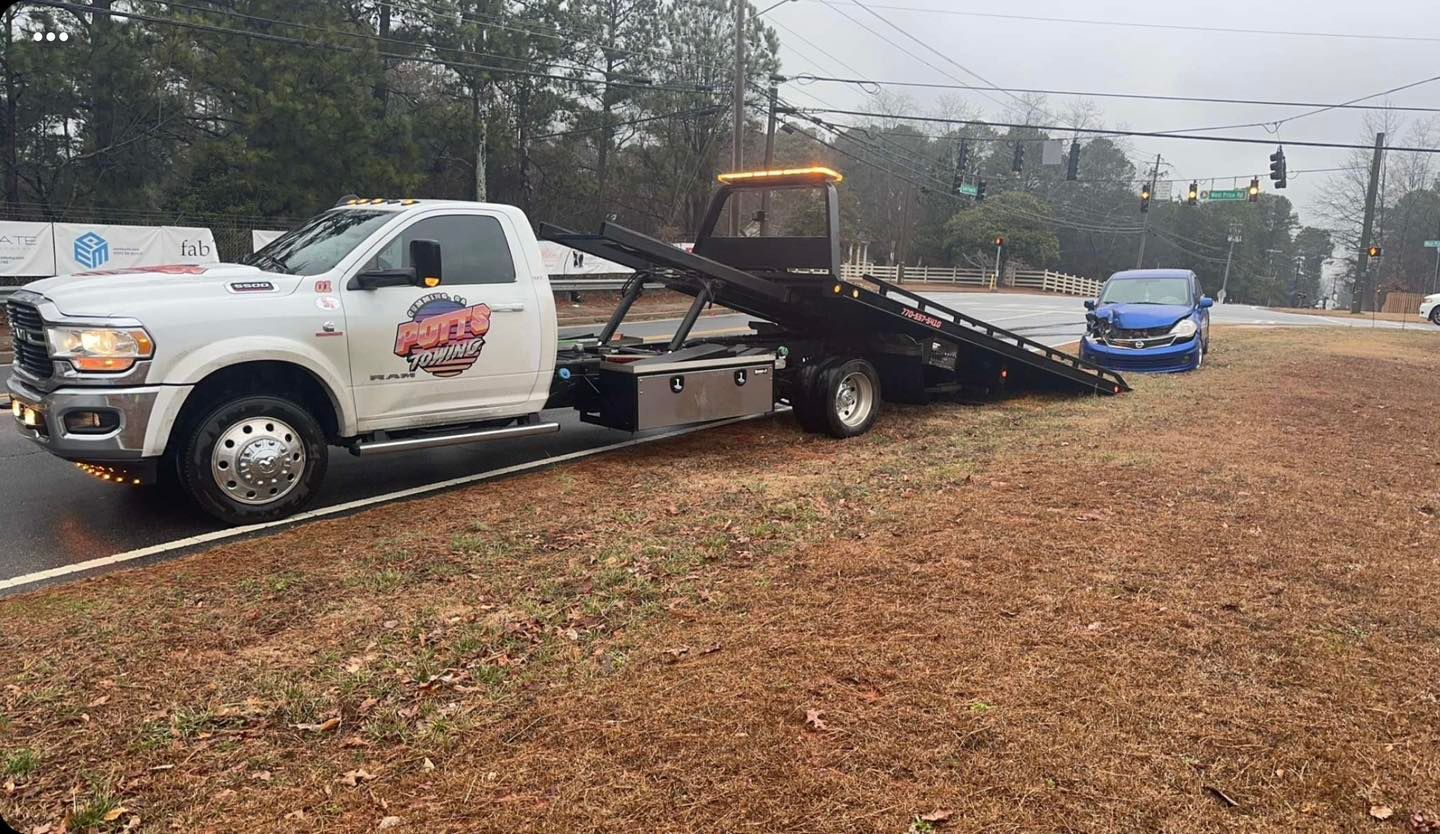
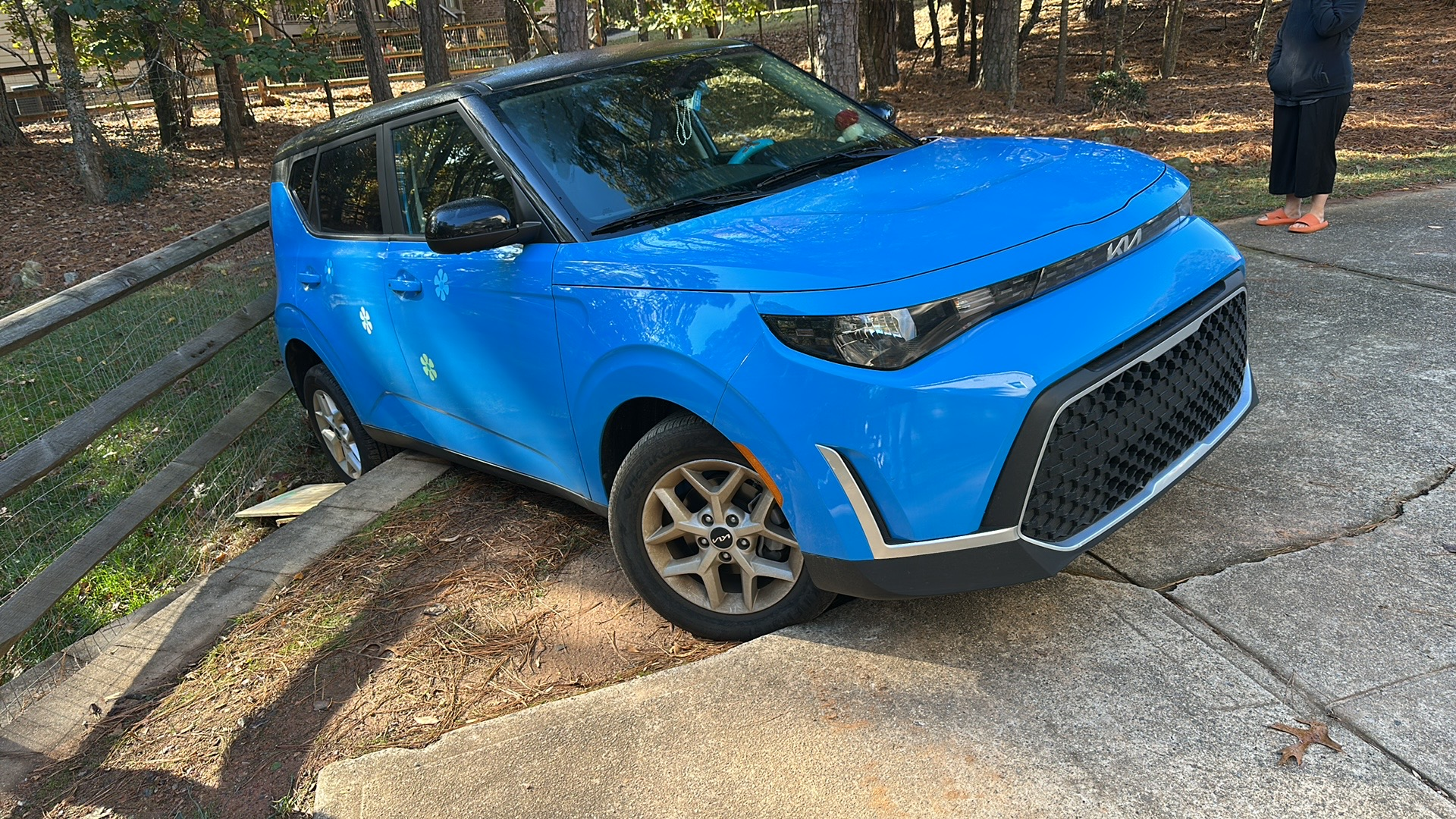
The driver's first job isn't to hook up your car, but to assess the situation. They'll check the vehicle's position, look for damage or fluid leaks, and confirm that what you described on the call matches what they're seeing. For accident recovery services, this step is especially important. Moving a damaged vehicle without checking it first can cause problems that the accident itself didn't.
You'll be involved in this part of the process. A professional driver walks you through what they're seeing and what they plan to do before they do it. If something changed between your call and their arrival (the car rolled further, you noticed additional damage), say so. That information changes the approach.
The assessment usually takes a few minutes, and skipping it is how damage happens.
4. Flatbed or Wheel-Lift — How the Right Equipment Gets Chosen
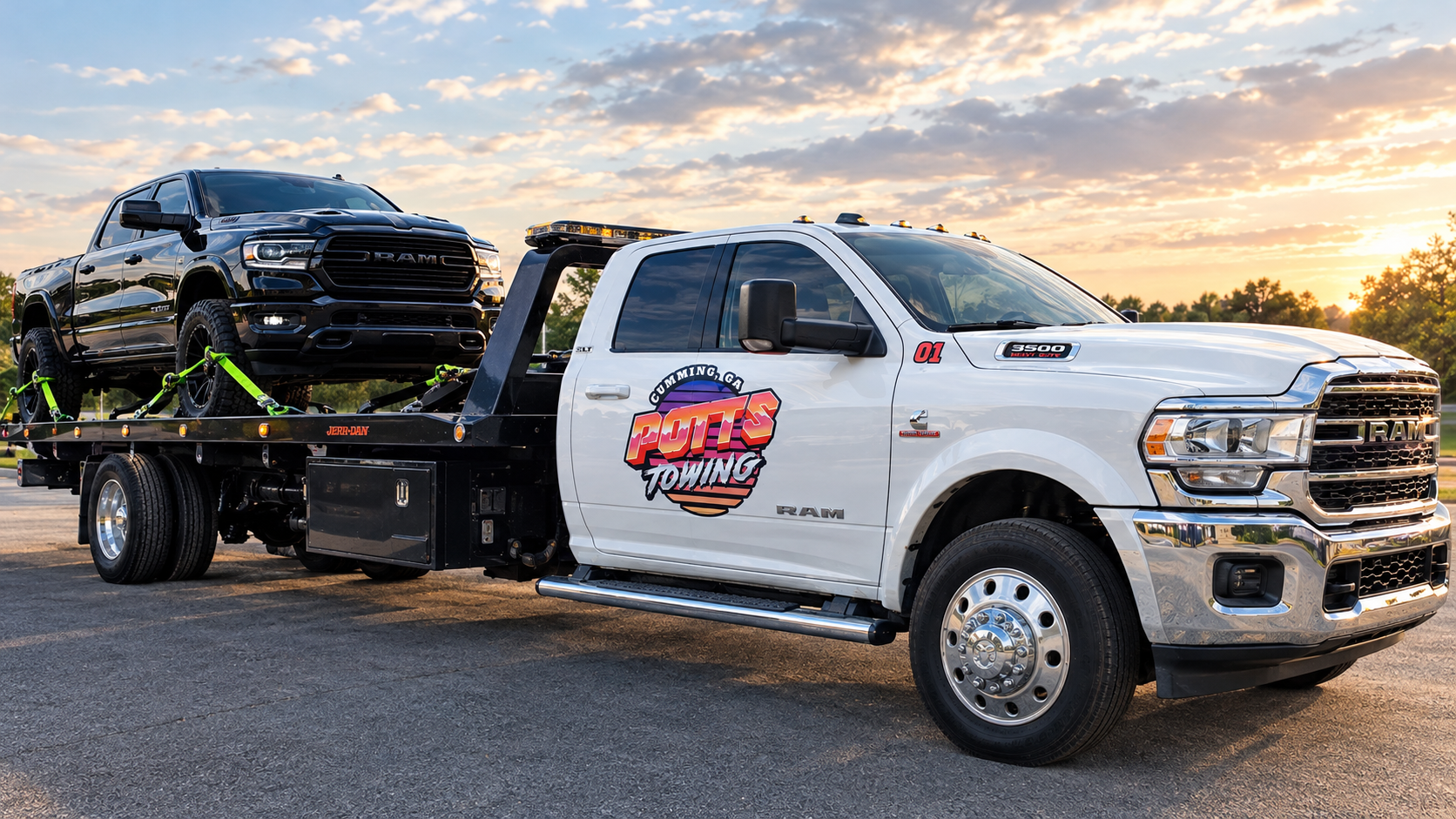
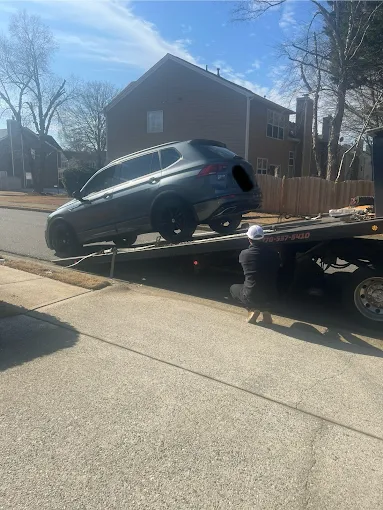
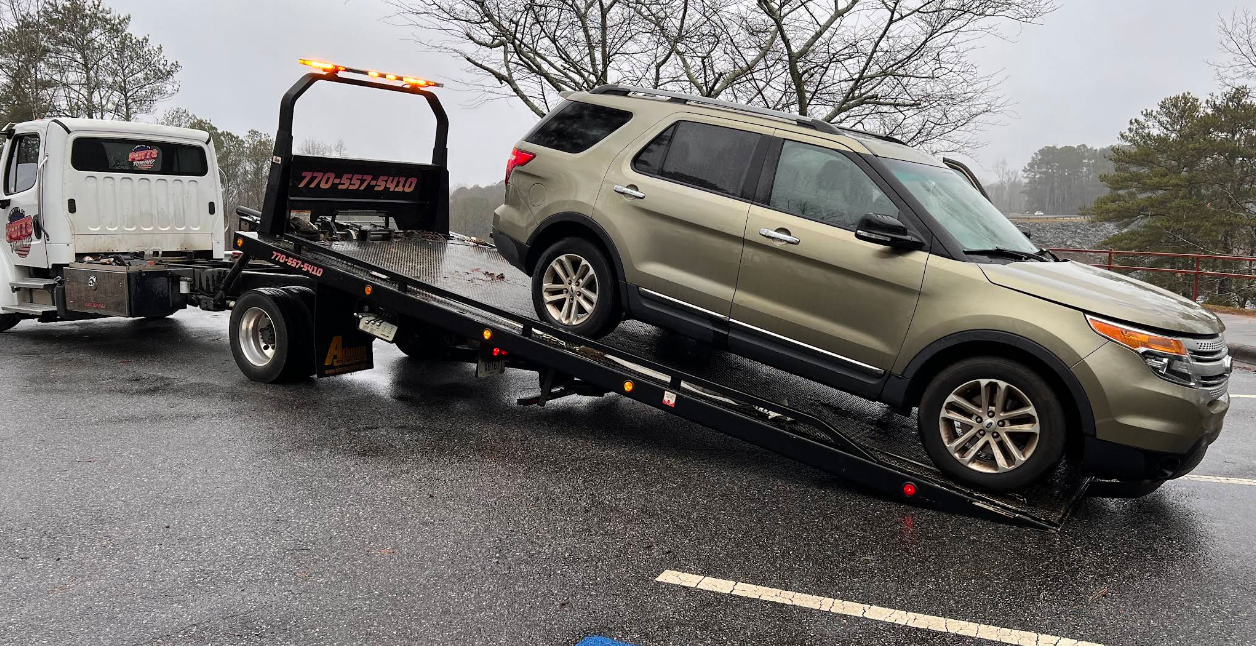
Most people picture a tow truck and assume all vehicles get handled the same way. They don't. The two primary methods, flatbed and wheel-lift, suit different situations, and the driver makes the call based on what's in front of them. Here is what that decision actually looks like.
Which Vehicles Require a Flatbed
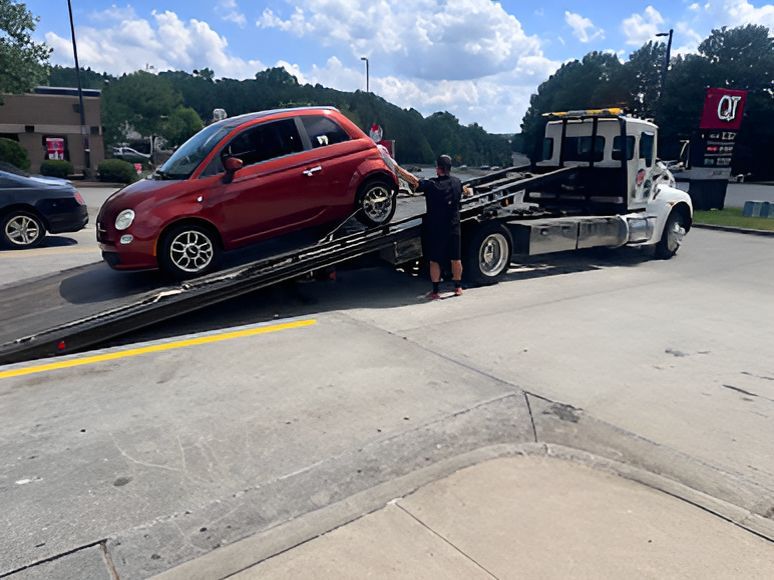
AWD and 4WD vehicles need all four wheels off the ground during transport. Wheel-lift towing on an all-wheel-drive car can damage the drivetrain. Lowered vehicles often can't clear wheel-lift equipment without scraping the undercarriage. Classic and collector cars go on flatbeds because the risk of cosmetic or structural damage with any other method isn't worth taking.
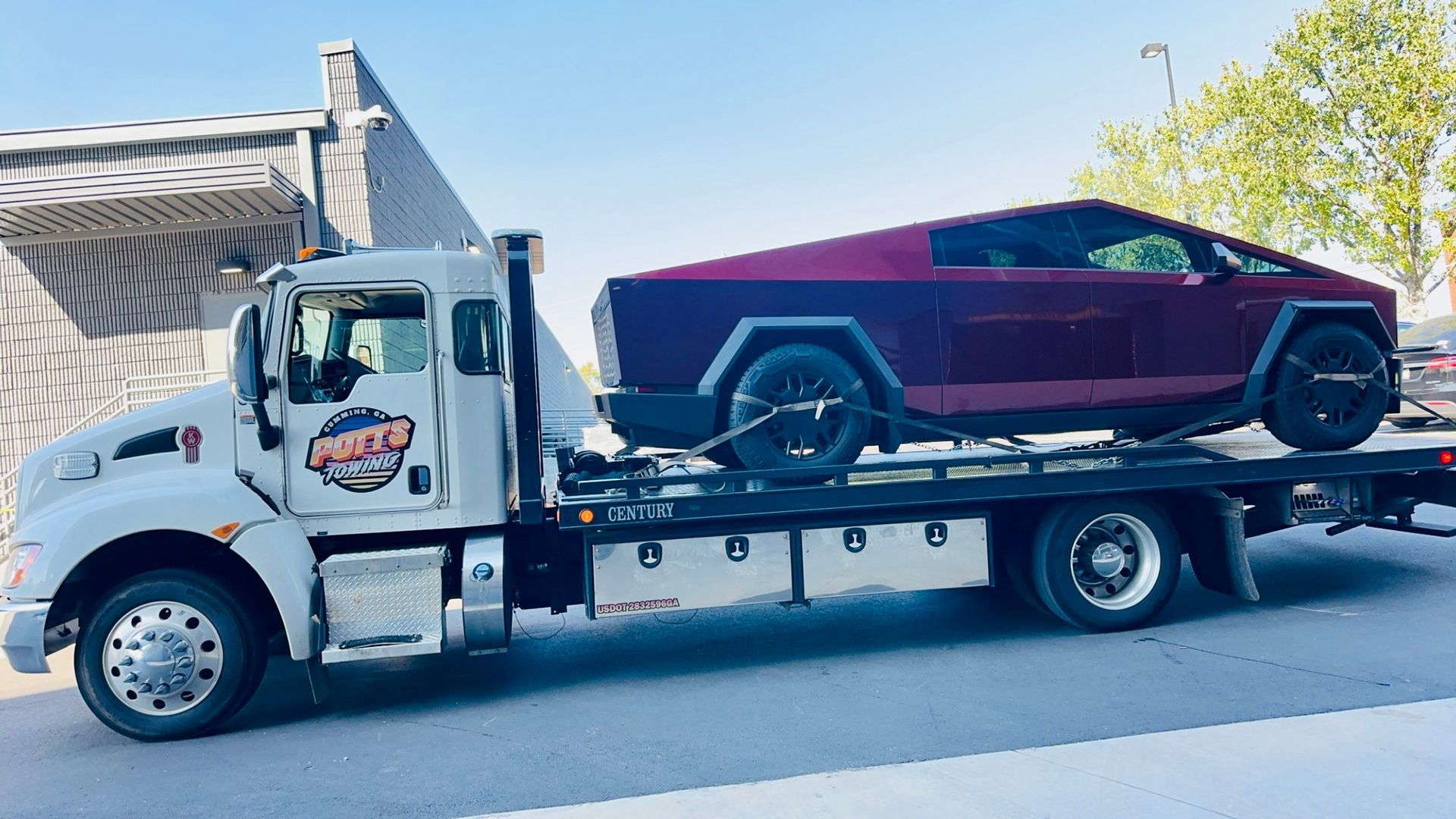
Vehicles with significant accident damage, broken suspension, or wheels that won't roll freely also require flatbed handling. Many electric vehicles have manufacturer-specific towing requirements. Check your owner's manual or mention it when you call, because it affects which truck gets dispatched.
If your vehicle falls into any of these categories, say so on the first call. It's the single most useful piece of information for getting the right equipment to your location the first time.
Which Vehicles Work With Wheel-Lift
Standard front-wheel and rear-wheel drive passenger cars in good condition are well-suited to wheel-lift towing. Light trucks and SUVs in non-AWD configurations typically qualify, too. For a more detailed breakdown of towing methods and when each applies, this flatbed towing guide provides a clear breakdown. Wheel-lift isn't a lesser option. For the right vehicle in the right situation, it's faster and equally safe.
Commercial and Oversized Vehicles
Work trucks, vans, and light commercial vehicles that fall outside standard passenger towing parameters need heavy-duty equipment.
If you're calling for a commercial vehicle, fleet vehicle, or anything oversized, mention that upfront. It changes the dispatch, and getting that detail right on the first call saves everyone time.

5. Where Your Vehicle Goes and Who Decides
You have input on the destination. That's worth stating plainly because not everyone knows it. If you have a preferred mechanic, a dealership with a service department, or a body shop you trust, you can direct the driver there. Give that information to the dispatcher when you call, and confirm it with the driver when they arrive.
If you're not sure where to take your car, the driver can offer suggestions, but a good company won't pressure you. The decision is yours. The one exception is if the drop location is significantly out of service range, which may affect pricing. Your dispatcher will tell you if that's the case before the truck moves.
If your car ends up at a shop that's closed by the time you arrive, most towing companies will arrange a key drop. Ask about that when you're booking if timing is a concern.
6. How Pricing and Payment Work Before the Tow
Pricing should be confirmed before the truck moves your vehicle. Full stop. A legitimate towing company gives you the rate before any work begins. That includes the base fee, any mileage charges, and any extras that apply to your specific situation (after-hours rates, winch-out fees if the vehicle isn't in a standard recovery position, etc.).
If someone shows up and starts hooking up your car before quoting you a price, that's a problem. This article on towing scams covers the specific patterns to watch for. Payment methods are typically confirmed during the call as well. Most companies accept credit cards, and payment surprises at drop-off are a red flag.
7. What Good Communication Looks Like Throughout the Process
A professional driver calls or texts when they're close, introduces themselves at arrival, and walks you through what they're doing before the vehicle gets loaded. The drop location gets confirmed before anything moves.
The gap between a good towing experience and a frustrating one is usually communication, not equipment or speed. You shouldn't be left wondering if anyone is coming, or discover your car is at the wrong shop because nobody has confirmed the destination.
If you call Potts Towing and something changes on our end (a delay, a truck reassignment), you hear about it. That's how a family-owned operation in Cumming runs differently than a dispatch center that doesn't know your name.
You Know What to Expect Now
A breakdown doesn't come with a warning, but the towing process doesn't have to be a mystery. You know what information to have ready, what the on-site assessment involves, why equipment choice matters for your specific vehicle, and what pricing should look like before anything moves.
That's enough to handle the situation without the chaos that usually comes from not knowing.
Potts Towing serves Cumming, Suwanee, Alpharetta, Gainesville, Buford, Sugar Hill, and the surrounding North Georgia area, 24 hours a day. If you want to know what working with a tow truck company that actually picks up the phone looks like, save the number now: 470-517-3161.
When you're ready to get a quote or need help right now, request a quote here, and if you want to know who you're calling before you call, Potts Towing is on Google Maps with reviews from real customers across Forsyth County and North Georgia.